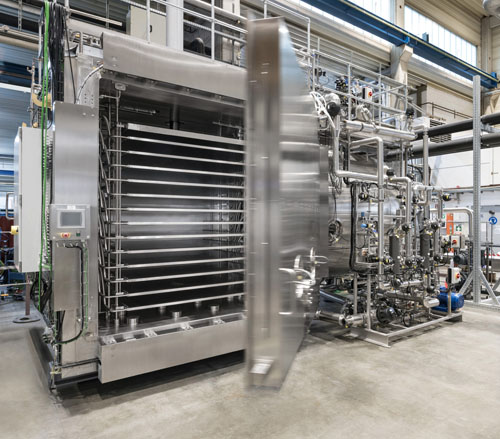
Energy-Efficient Lyophilization: How to Reduce Energy Consumption in Freeze-Dryers
Energy-Efficient Lyophilization has rapidly become a strategic priority across pharmaceutical, biopharmaceutical, and food industries. As global energy prices rise and sustainability regulations tighten, manufacturers increasingly focus on reducing the enormous power demand of freeze-drying systems. At the same time, market reports consistently highlight energy efficiency and sustainability as key drivers shaping the future of lyophilization technology.
Freeze-drying remains one of the most energy-intensive unit operations in pharmaceutical manufacturing. Compressors, vacuum pumps, condensers, and shelf heating systems operate continuously for extended cycles. However, with intelligent cycle design, modern control strategies, and smart equipment integration, energy consumption can be reduced significantly—often by 20–40%—without sacrificing product quality or regulatory compliance.
This comprehensive guide explains how to design sustainable lyophilization cycles, optimize freeze-dryer performance, and apply emerging technologies to achieve long-term energy savings.
Table of Contents
ToggleWhy Energy-Efficient Lyophilization Matters Today
Energy efficiency in lyophilization is no longer optional. Instead, it directly impacts:
- Manufacturing cost per batch
- Carbon footprint and ESG goals
- Equipment lifespan and maintenance frequency
- Regulatory perception and compliance readiness
Additionally, pharmaceutical companies now evaluate sustainability metrics alongside traditional quality indicators. As a result, energy-efficient freeze-drying systems deliver both economic and environmental advantages.
For deeper insight into process efficiency fundamentals, refer to this guide on lyophilization process efficiency best practices.
Understanding Energy Consumption in Freeze-Drying Systems
Major Energy-Consuming Components
Energy use during lyophilization concentrates in four primary areas:
- Refrigeration compressors
- Vacuum pumps
- Shelf heating and cooling systems
- Condenser operation
Each subsystem contributes differently during freezing, primary drying, and secondary drying.
A detailed overview of equipment architecture is explained in construction of freeze dryer.
Energy-Efficient Lyophilization Cycle Design
Optimizing the Freezing Phase
Although freezing seems simple, it strongly influences energy demand downstream. Faster, controlled freezing:
- Reduces ice crystal heterogeneity
- Improves sublimation efficiency
- Shortens primary drying time
Moreover, excessive overcooling wastes compressor energy without improving product quality.
Learn more about freezing fundamentals in essential principles of freezing techniques.
Primary Drying Optimization for Energy Savings
Primary drying consumes the highest share of energy. Therefore, even small improvements create major savings.
Key strategies include:
- Operating near maximum allowable product temperature
- Maintaining optimal chamber pressure
- Minimizing dry layer resistance
Advanced modeling approaches are described in primary drying phase optimization strategies and chamber pressure during primary drying.
Reducing Secondary Drying Energy Waste
Secondary drying often runs longer than necessary. By implementing moisture endpoint detection, manufacturers can:
- Prevent overdrying
- Reduce heater runtime
- Protect product stability
Residual moisture control concepts are explained in lyophilized drug stability.
Role of Process Analytical Technology (PAT)
Energy-Efficient Lyophilization relies heavily on real-time monitoring. PAT tools allow operators to apply energy only when required.
Examples include:
- Pirani and capacitance gauges
- Tunable diode laser absorption spectroscopy
- Heat flux sensors
For deeper insight, review PAT in freeze drying.
AI and Smart Monitoring for Sustainable Lyophilization
Artificial intelligence enables predictive control, adaptive heating, and early defect detection. Consequently, energy waste caused by conservative safety margins decreases significantly.
Explore this emerging area in:
Robust Control Strategies and Energy Stability
Robust control ensures stable operation despite disturbances such as load variation or environmental changes. Stable processes consume less energy because rework, alarms, and corrective cycles decrease.
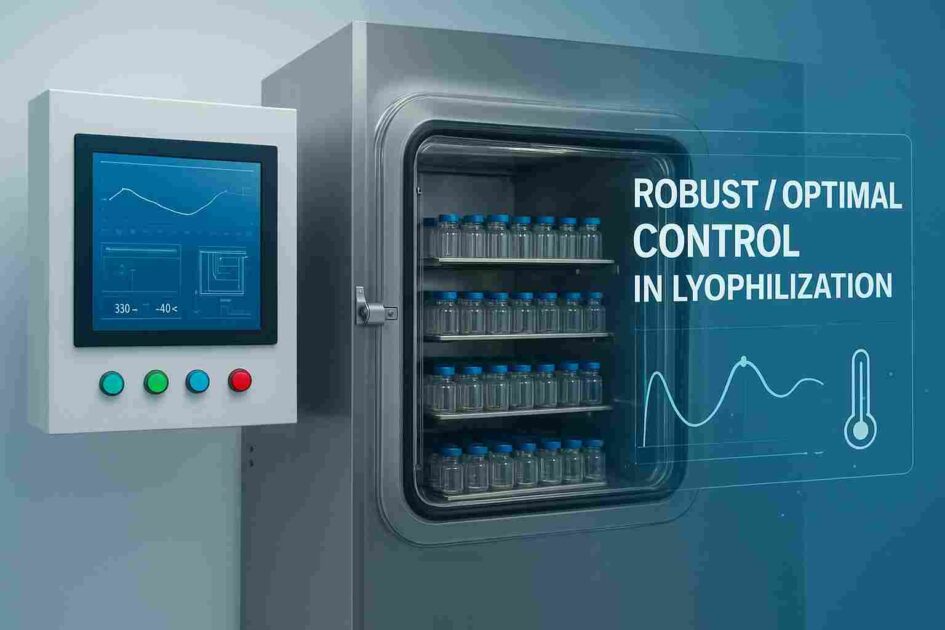
A detailed explanation is available in robust control in lyophilization.
Heating and Cooling Media Optimization
Heating and cooling media strongly affect thermal efficiency.
Key improvements include:
- Optimized silicone oil circulation
- Controlled ramp rates
- Efficient thermostatic valve operation
Related resources:
- Heating media control in lyophilization
- Thermostatic valve in freeze dryer
- Cooling water regulation in freeze dryers
Continuous Freeze-Drying for Energy Efficiency
Continuous freeze-drying dramatically improves energy utilization by eliminating idle phases. Instead of batch cycling, energy flows continuously at optimized levels.
Learn more in continuous freeze drying process in pharmaceuticals.
Equipment Qualification and Energy Validation
Energy-efficient operation must remain validated. Poorly qualified systems often consume excessive power.
Best practices include:
- Operational qualification
- Performance verification
- Leak testing
Recommended references:
- Freeze dryer operational qualification protocol
- Freeze dryer performance testing methodology
- Freeze dryer unit leak test
Reducing Energy Loss Through Preventive Maintenance
Energy waste often results from:
- Compressor inefficiency
- Vacuum leaks
- Fouled condensers
Preventive maintenance guides:
Economic Benefits and ROI of Energy-Efficient Lyophilization
Lower energy usage improves return on investment significantly. Reduced utility costs, longer equipment life, and fewer rejected batches drive financial sustainability.
ROI insights are explained in freeze dryer installation cost and ROI.
Sustainability, ESG, and Regulatory Alignment
Energy-efficient lyophilization aligns with:
- GMP expectations
- FDA sustainability initiatives
- Corporate ESG goals
Key compliance resources:
Future Trends in Energy-Efficient Lyophilization
The future includes:
- Digital twins for energy prediction
- Carbon-aware scheduling
- Smart grids integration
- Blockchain-based energy traceability
Explore innovation trends in blockchain in lyophilization supply chain.
Conclusion
Energy-Efficient Lyophilization represents the future of freeze-drying technology. By combining optimized cycle design, smart monitoring, robust control, and validated equipment performance, manufacturers can dramatically reduce energy consumption while maintaining the highest product quality standards.
Organizations that invest early in sustainable lyophilization will achieve long-term cost savings, regulatory resilience, and environmental leadership.
FAQs: Energy-Efficient Lyophilization
1. What is Energy-Efficient Lyophilization?
It refers to freeze-drying strategies that minimize energy use while preserving product quality and compliance.
2. Which phase consumes the most energy?
Primary drying typically consumes the highest amount of energy.
3. Can AI reduce energy in freeze-dryers?
Yes, AI optimizes heating, pressure control, and cycle endpoints.
4. Does faster freezing save energy?
Controlled freezing saves energy by shortening primary drying time.
5. How does PAT improve efficiency?
PAT prevents overdrying and unnecessary heating.
6. Are continuous freeze-dryers more efficient?
Yes, they eliminate idle phases and stabilize energy demand.
7. Does maintenance impact energy use?
Absolutely. Poorly maintained systems waste significant energy.
8. Can energy efficiency affect product quality?
When properly designed, it improves consistency and stability.
9. Is energy efficiency required by regulators?
Indirectly yes, through sustainability and GMP expectations.
10. What is the ROI of energy-efficient lyophilization?
Most facilities recover investments within 2–4 years.